
What Is Being Done to Them? Domestic Abuse, Mental Health & Perpetrator Patterns
By Nic Douglas, European Regional Manager, Safe & Together Institute
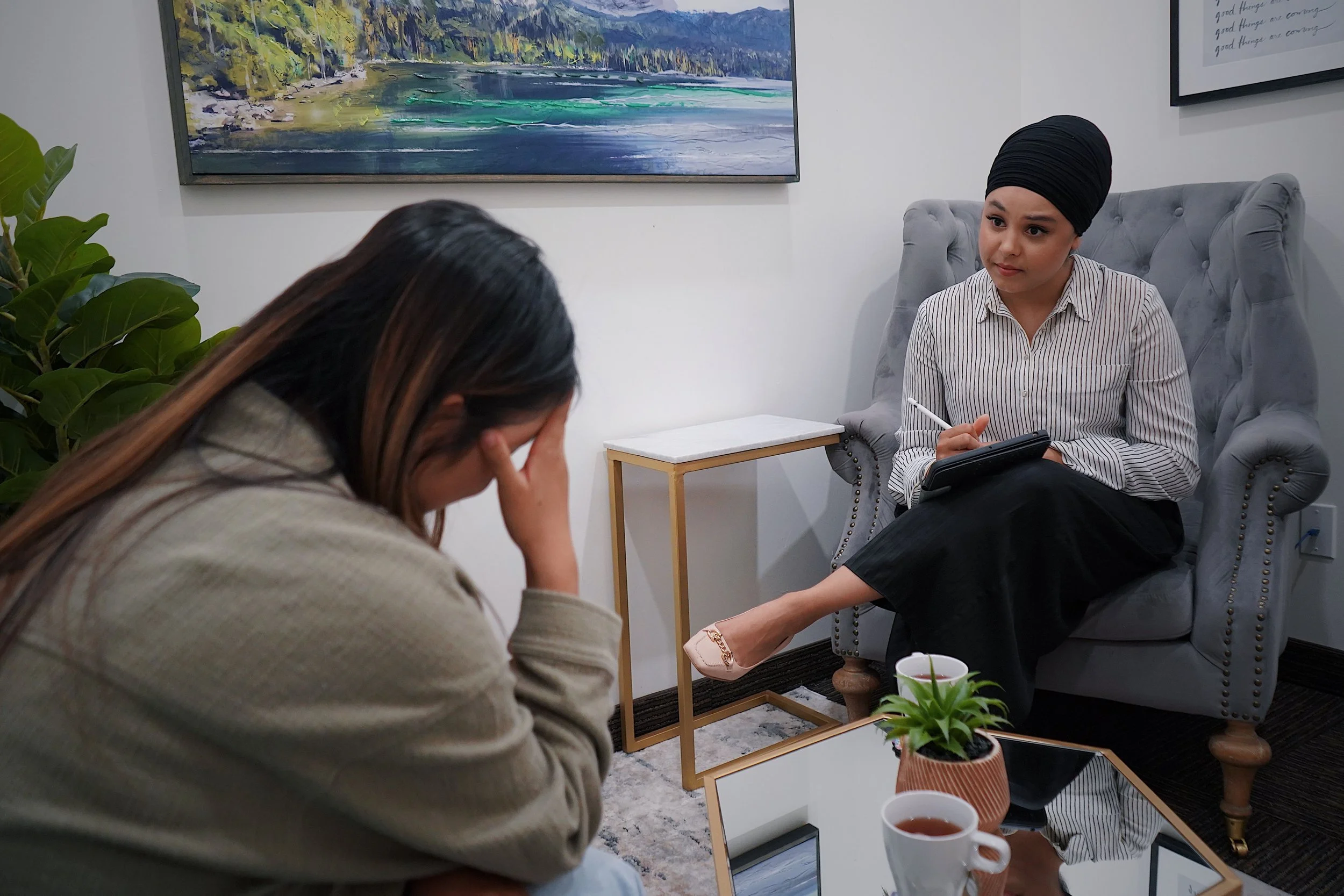
This week, mental health practitioners across the world will sit with people whose mental health is being affected by domestic abuse, often without it being named. They may see anxiety, hypervigilance, disrupted sleep, difficulty concentrating, or detachment. What may be less visible is the pattern of behaviour contributing to those presentations.
Some practitioners will recognise this connection. Many will not have been trained to. This is not a criticism of practitioners. It reflects what professional training has treated as core knowledge, and what it has left to somebody else’s specialism.
A review of the evidence on domestic violence and mental health finds that the association between the two holds across diagnoses, settings, and studies. Yet domestic abuse is often treated as specialist knowledge rather than as part of how mental health support is designed. If someone presents to a mental health service, the odds that domestic abuse is part of the picture are considerable. It is not a rare encounter, but a routine one.
Why Isn’t Domestic Abuse Awareness Training Enough for Mental Health Services?
Awareness training and routine enquiry questions are useful, but neither is sufficient, because knowing that abuse is happening is not the same as understanding what the person causing it is doing. Mental health practitioners need a working understanding of perpetrator behaviour: what coercive control looks like from the outside, how it may be hidden from professionals, and how it can shape the presentations mental health services are assessing.
Understanding these patterns changes several things:
Symptoms are placed in context. What reads as anxiety may be hypervigilance in response to a real and ongoing threat. Sleep repeatedly disrupted by a perpetrator’s behaviour can lead to poor concentration and detachment. Understanding the pattern around those symptoms can change how practitioners interpret what they are seeing. The distress is real, and so are the circumstances contributing to it.
Non-attendance becomes information. Missed contact is not always a choice. In a study of more than 2,000 women outpatients, 17% of those who had experienced physical abuse in the past year said a partner had prevented them from seeking or interfered with their health care, compared with 2% of those who had not. That interference can take many forms: starting an argument before an appointment, withholding money or transport, or arriving early to collect a partner. A service culture that automatically reads missed contact as a choice risks recording “did not attend” without asking what prevented attendance.
The concerned partner may be shaping the account. A partner who attends every appointment, answers on the patient’s behalf, and explains that they haven’t been themselves lately may be devoted. They may also be managing the account professionals receive. Without pattern knowledge, a practitioner may treat the abusive partner’s account as corroborating information, without considering that partner’s interest in shaping how the survivor is perceived.
The clinical record is understood as something that can be used. Once a survivor is documented as unstable, non-compliant, or difficult, that record can follow them into family court, children’s social care, and the next service they approach for help. If the perpetrator’s behaviour is absent from the record, the survivor’s response can become the documented problem while the context producing it disappears.
The person causing harm can be held in view. Mental health services see perpetrators too, often in genuine crisis. An analysis of 186 domestic homicide reviews in England and Wales found that almost two-thirds of perpetrators had accessed mental health care, and over one in three perpetrators of intimate partner homicide had used mental health services in the month before the homicide. Understanding patterns means being able to hold two positions at once: this person needs care, and this person presents a risk to the people they live with. Treating the illness does not make the family safe, and a person who becomes stable can still be controlling.
Why This Matters Now
In July, an inquest into the death of Erika Francis in Exeter examined how Erika, who was 36, died from an overdose in March 2021. The coroner recorded a narrative conclusion and said a Prevention of Future Deaths report would be issued to Devon Partnership NHS Trust over concerns that staff did not have sufficient training in the links between domestic abuse, deteriorating mental health, and suicide risk. The findings show what is at stake when domestic abuse and mental health are treated as separate areas of practice.
England’s expanding mental health provision is a chance to avoid repeating that separation. Areas are preparing for a network of almost 200 community mental health centres and mental health A&Es, with the first sites opening this autumn. This is good news. Anyone who has sat with a person in distress, watched them wait months for an assessment, and then watched them deteriorate knows what an accessible front door is worth. But a front door only helps if the people behind it can recognise what has brought someone through it. For some of the people who arrive at these centres, domestic abuse will be an important part of that answer.
What Can Mental Health Practitioners Do Differently?
Understanding perpetrator patterns changes how practitioners ask questions, interpret what they see, and document what is happening.
Ask specific questions, not only general ones. Move beyond “How are things at home?” to questions that help establish who is doing what to whom and the impact of those behaviours.
Think in patterns, not isolated incidents. A single episode may appear minor, mutual, or ambiguous when separated from what came before and after it.
Follow up on missed appointments. Ask what got in the way and whether the service can help remove that barrier.
Create routine opportunities to see patients alone. Private conversations should not depend on a practitioner already suspecting abuse.
Recognise what survivors are already doing. Attending an appointment may itself require considerable planning and protective effort, and may carry additional risk.
Document behaviour, not only diagnosis. Records should describe what the perpetrator is doing, its impact on the survivor and children, and the survivor’s protective efforts, as well as the survivor’s symptoms.
This is the ground the Safe & Together™ Model works on: keeping the perpetrator’s behaviour visible rather than letting it dissolve into somebody else’s diagnosis, recognising what survivors are already doing to protect themselves and their children, and giving professionals across services a shared language for describing behaviour instead of trading diagnoses across agency boundaries. Whatever framework a service adopts, the test is the same: does the record describe what someone did, or only what someone has?
We already know that a meaningful proportion of the people walking into mental health services are being harmed by somebody at home. The question is whether the person they finally tell has been trained to recognise what they are hearing. A practitioner who understands abuse can see the barriers a survivor faces, rather than pathologising how they have responded, and support them as a whole person. No survivor’s experience of domestic abuse should disappear behind a mental health diagnosis.
Additional Resources
Online Course: Intersections: When Domestic Violence Perpetration, Substance Abuse & Mental Health Meet
Free Tool: Safe & Together Intersections Meeting Guide
Safe & Together Institute’s domestic abuse–informed trainings
Safe & Together Institute’s upcoming events
David Mandel’s book Stop Blaming Mothers and Ignoring Fathers: How to Transform the Way We Keep Children Safe from Domestic Violence
