
We Don’t Ignore Parental Alienation—We Refuse to Let It Be Weaponized and Harm Victims and Survivors
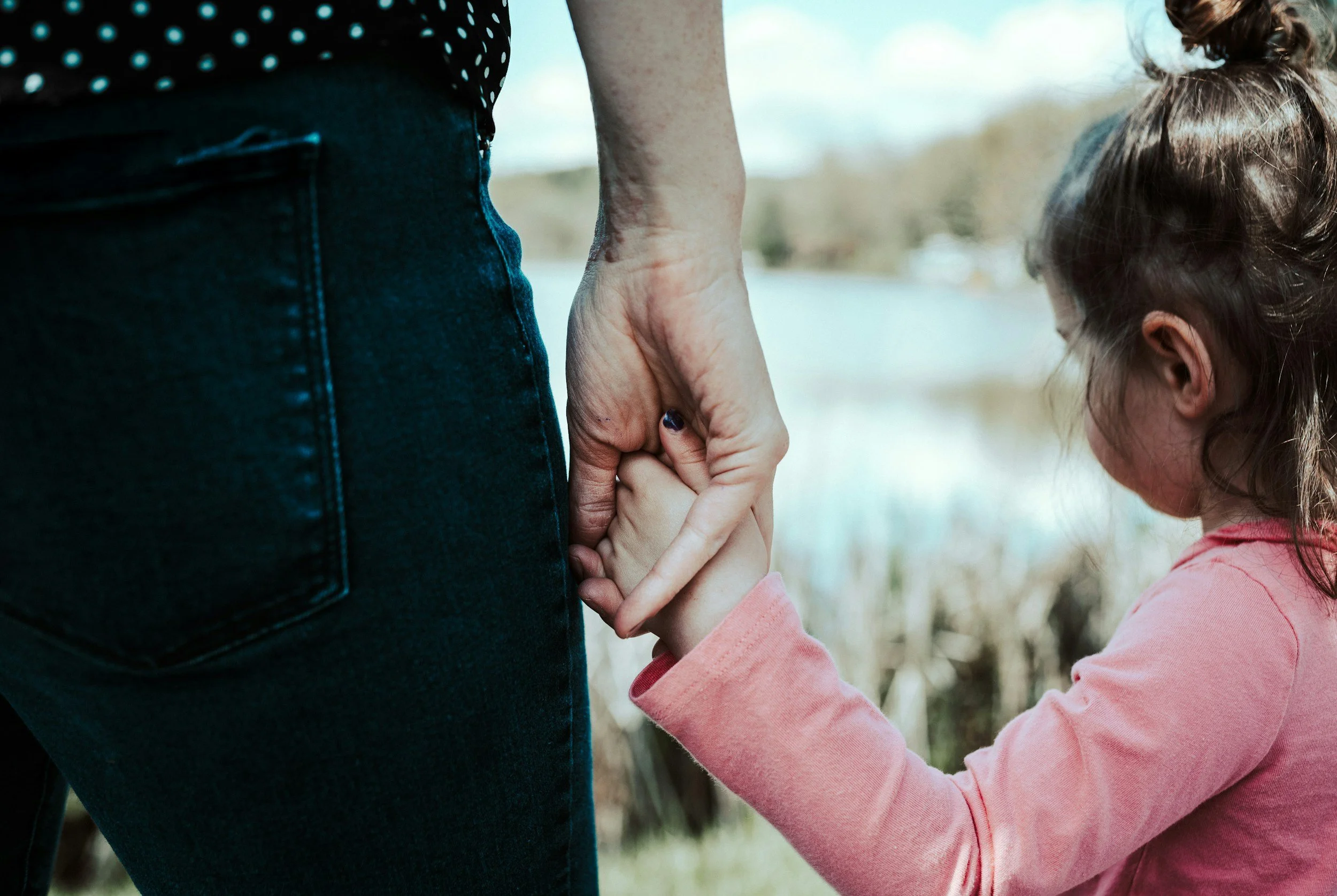
By Ruth Reymundo Mandel, Chief Business Development Officer and Credible Expert, Safe & Together Institute
There’s a dangerous misconception that because the Safe & Together Institute doesn’t use the term “parental alienation,” we must not believe children can be alienated from a parent by a parent who is abusive. That assumption is not only false and shows a lack of knowledge of the Safe & Together Model—it betrays a fundamental misunderstanding of how “parental alienation” functions as a legal tactic and who most often levies and is awarded custody on those claims.
Let’s be clear: Yes, coercive and abusive parents absolutely manipulate children and use the courts and other systems to take custody, isolate, and alienate them from the other parent. Yes, this behavior is abuse and emotionally and developmentally harmful to children and their parent. But here’s the deeper truth: In family courts, the concept of “parental alienation” is almost never a tool that protects children from coercive, abusive parents. Instead, it is most often a strategy used by those same abusive parents to undermine and discredit protective parents and strip them of custody—especially mothers.
We Refuse to Ignore the Evidence
We refuse to ignore the overwhelming evidence of how domestic violence, child abuse, child sexual abuse, and so‑called “parental alienation” claims actually play out in family court systems globally—particularly when the parent using violence or coercive control is a father and the victim is a mother. When a perpetrator parent raises an allegation of alienation, it is often taken seriously and believed. When a victim‑survivor raises concerns about being alienated from their child, those concerns are frequently ignored—or worse, used against them. Disturbingly, when victim‑survivors present evidence of coercive control, domestic violence, or child abuse, they are more likely to lose custody, with that evidence dismissed, excluded, or reframed as proof of “parental alienation” and the very act of raising concerns about harm treated as alienating in itself.
Research by Professor Joan Meier confirms this gendered asymmetry: When mothers raise concerns about abuse, and the father counters with a claim of “parental alienation,” courts are more likely to believe the alienation accusation—even in the face of documented abuse. These counterclaims, rooted in gender bias, not only silence victims and survivors but actively endanger children. Her national empirical study of family court outcomes shows that “mothers’ claims of abuse, especially child sexual abuse, increase their risk of losing custody, and fathers’ cross-claims of alienation virtually double that risk.”
We Reject Jargon—No Matter the Topic
Just as we refuse to rely on jargon when talking about mental illness or substance misuse—because it obscures context, behavioral patterns, and concrete evidence and leads to poor, even dangerous decision-making—we also refuse to use jargon when discussing post-separation coercive control, court-based abuse, or the pattern of abusive parents alienating protective ones. The term “parental alienation” has become legal shorthand that obscures the very behaviors we need to be identifying and naming with precision.
It would be dangerous, deceptive, and irresponsible for us to suggest that survivors should attempt to mirror the legal strategies used against them—strategies rooted in gender bias and routinely weaponised by perpetrator fathers. The “parental alienation” framework does not, in practice, benefit victims of violence in real court settings, even though it may help some survivors name and make sense of their lived experience. We honor survivors’ self‑determination to use whatever language or legal strategies they choose. At the same time, we cannot promote a framework that is demonstrably ineffective at best—and actively harmful to survivors’ custody and contact outcomes at worst.
Why We Avoid the Language, But Not the Pattern of Post-Separation Coercive Control Through Legal Abuse
The Safe & Together Model takes a behavioral approach—it does not use jargon because jargon hides behavioral patterns and context. We name what is happening: post-separation coercive control, litigation abuse, the undermining of the protective parent, and the manipulation of professionals and systems. We document behavioral patterns—not diagnoses or labels—and expose the very tactics that abusive parents use to gain custody or erase the protective parent’s role. And this prevents missing the reality of the danger and the ongoing abuse.
By avoiding jargon and instead grounding our assessments in behaviors and impacts, we support survivors in ways that are:
Credible in court and have evidentiary integrity
Centered on the child’s reality, safety, and well-being in light of the perpetrator’s pattern of behaviors
Centered on the perpetrator as a parent and how they harm and impede coparenting
Less likely to be dismissed or turned against them
We believe the protective parent—often a mother—is a child’s best ally and most consistent harm prevention agent. Survivors help their children heal, develop resilience, and learn about healthy relationships. Their work should be recognized, supported, and protected—not recast as alienation because it disrupts the perpetrator’s image, control or custody.
A Safer Path Forward
The Safe & Together Model provides systems, courts, and practitioners with a clear alternative:
Document the perpetrator’s parenting choices.
Contextualize the survivor’s protective efforts.
Assess harm using a pattern-based lens.
Name post-separation and litigation abuse for what it is.
This is how we keep families safe. This is how we create a language of accountability and justice that can’t be weaponized against the very people doing the hardest work to protect their children.
Additional Resources
Safe & Together Institute’s domestic abuse–informed trainings
Safe & Together Institute’s upcoming events
David Mandel’s book Stop Blaming Mothers and Ignoring Fathers: How to Transform the Way We Keep Children Safe from Domestic Violence
