
Coercive Control in Family Court Decision-Making in the UK and Europe
Family courts across the UK and Europe are increasingly required to assess domestic abuse as a pattern of behaviour relevant to parenting capacity, child welfare, and post-separation decision-making.
Yet coercive control is still often assessed through isolated incidents rather than patterns over time. This can make it harder to evidence harm, understand child impact, and distinguish coercive control from competing allegations or relationship conflict.
When perpetrator behaviour is not analysed systematically, decisions risk relying on competing narratives rather than structured, evidential analysis.
A behaviour-led approach strengthens fact-finding, family court reporting, and best interest decision-making by linking perpetrator behaviour to child impact and parenting outcomes.
What Is Coercive Control in Family Court Cases?
Coercive control is a pattern of behaviour used by one parent to dominate, intimidate, isolate, monitor, or control the other parent. In family court cases, its significance lies not only in the impact on the adult victim but also in its effect on parenting capacity, child wellbeing, and post-separation family functioning.
Effective family court analysis examines patterns of behaviour over time and their impact on children, rather than focusing solely on individual incidents.

Coercive control may include:
Monitoring communication or movement
Restricting access to money or resources
Threatening child removal
Undermining parenting authority
Harassing a parent through repeated legal action
Using contact arrangements to continue control
Intimidation, threats, or emotional abuse
Interfering with children’s routines and stability
Common Examples of Coercive Control
Why Is Coercive Control Difficult to Assess in Family Court Proceedings?
Family courts across the UK and Europe increasingly expected to assess coercive control as part of parenting, child welfare, and post-separation decision-making. However, coercive control can be difficult to identify when assessments focus on isolated incidents rather than patterns of behaviour over time.
Unlike a single event, coercive control often emerges through repeated actions that affect parenting, family functioning, and a child's lived experience. When behaviour is not analysed systematically, important information about parenting capacity, child impact, and ongoing harm can be overlooked.
| Practice Pattern | Court Consequence |
|---|---|
| Incident-focused analysis | Patterns of coercive control remain less visible |
| Mutualised or “high conflict” language | Responsibility for harm becomes less clear |
| Focus on competing allegations | Parenting behaviour receives less attention |
| Limited analysis of cumulative harm | Child impact may be underestimated |
| Contact-centred analysis | Coercive control may be separated from parenting assessment |
| Behaviour assessed through competing labels (e.g., alienation vs. abuse) | Analysis can shift away from observable behaviour and child impact |
Family court decision-making is strengthened when coercive control is analysed as a pattern of parenting behaviour and linked directly to the child’s lived experience.
Family courts may be required to assess coercive control at different stages of proceedings, including fact-finding hearings, assessments, and child arrangement decisions.
A behaviour-led approach examines coercive control as a pattern of behaviour over time rather than a series of isolated incidents. This helps professionals understand how abuse affects parenting capacity, child wellbeing, family functioning, and future arrangements.
When assessing coercive control, professionals may consider:
Patterns of behaviour over time
Cumulative harm
Child impact and lived experience
Parenting capacity
Evidence of accountability or change
Ongoing risk and protective factors
In Fact-Finding Hearings
The focus is on establishing whether domestic abuse occurred and understanding the nature, pattern, and impact of the behaviour.
In Welfare and Child Arrangement Decisions
The focus shifts to understanding what those findings mean for parenting, child wellbeing, future risk, and the child's best interests.
A behaviour-led framework supports both stages by linking perpetrator behaviour directly to child impact and parenting outcomes.
How Should Family Courts Assess Coercive Control?

How Can Family Court Reports Better Evidence Domestic Abuse?
Different jurisdictions use different reporting and assessment processes. Whether through Section 7 reports, child welfare assessments, guardian reports, expert evaluations, or court-directed investigations, analysis is strengthened when behaviour is linked directly to child impact.
Reports that rely on generalised or mutualised language can reduce clarity and weaken the evidential foundation for decision-making.
A domestic abuse–informed approach strengthens reports by:
Describing perpetrator behaviour specifically
Mapping patterns over time
Linking behaviour to child wellbeing and functioning
Documenting survivor protective actions
Assessing parenting capacity within the context of abuse
Identifying evidence of accountability or change
Example: Generalised vs. Behaviourally Specific Analysis
Generalised Documentation
The parents have a high-conflict relationship and ongoing disputes regarding contact.
Behaviourally Specific Documentation
The father repeatedly monitored the mother’s movements, used contact discussions to maintain control, threatened legal action, and disrupted agreed arrangements. These behaviours contributed to increased anxiety, instability, and emotional distress for the child.
Behaviourally specific reporting strengthens judicial reasoning, child welfare analysis, evidential clarity, and consistency across cases.
Why “High Conflict,” Contact Disputes & Alienation Claims Obscure Domestic Abuse Risk
Often in the UK and Europe, family court cases involving domestic abuse are sometimes framed primarily as “high conflict” disputes, disagreements about contact, or competing claims of parental alienation and coercive control. While these issues may be relevant, they can shift attention away from analysing observable behaviour and its impact on children.
In some cases, post-separation contact may function as:
Continued control
Surveillance
Intimidation
Manipulation
Ongoing instability
Similarly, when analysis focuses primarily on competing labels rather than behaviour, courts risk:
Misinterpreting protective parenting as alienation
Minimising coercive control
Overlooking context
Making decisions based on incomplete analysis
A behaviour-led approach shifts the focus from “Which label best describes this case?” to “What parenting behaviour is being demonstrated over time, and what does that mean for the child’s wellbeing?”
Key questions include:
What specific behaviours are being described?
What is the context of those behaviours?
Are they protective responses or controlling actions?
What patterns emerge over time?
What is the child’s lived experience?
This supports neutral, evidence-based analysis focused on behaviour, parenting capacity, and child impact rather than competing narratives or labels.

How Does Coercive Control Affect Child Arrangement and Parenting Decisions?
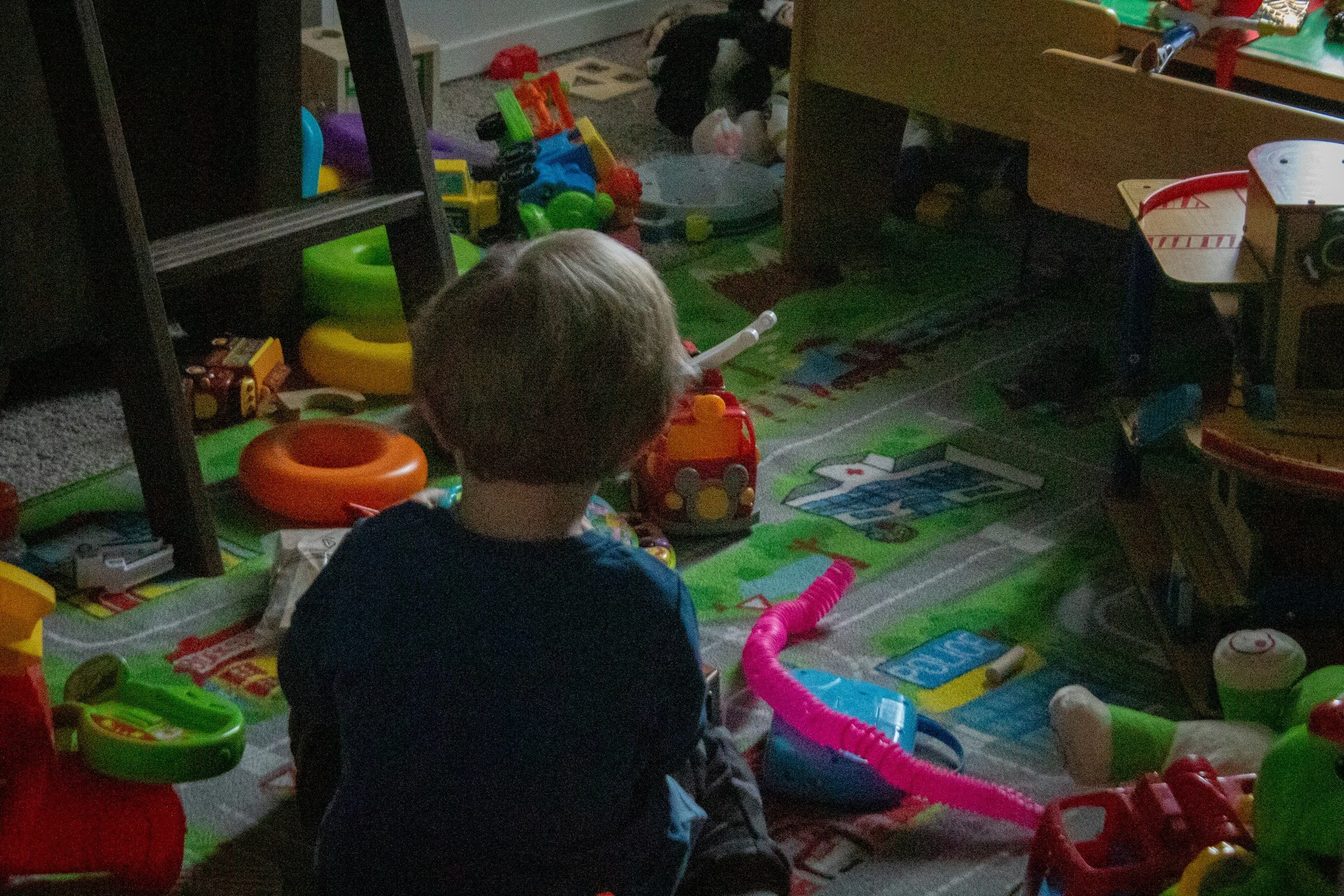
Coercive control can have a significant impact on child arrangement decisions because it may affect parenting capacity, child wellbeing, and the safety of future arrangements.
Family courts may consider whether:
Harmful behaviours have ceased
Responsibility has been acknowledged
The other parent is supported rather than undermined
Parenting behaviour demonstrates sustained change
Arrangements promote child safety and stability
Children may experience harm through:
Fear and anxiety
Instability and unpredictability
Undermining of the protective parent
Exposure to coercive behaviour
Ongoing post-separation conflict and litigation stress
Assessing these impacts helps strengthen the connection between evidence, welfare analysis, and best interest decision-making.
Why Coercive Control Matters Across UK and European
Family Justice Systems
Across the UK and Europe, family justice and child welfare systems are increasingly recognising the impact of coercive control, psychological abuse, and post-separation abuse on children and parenting arrangements.
While legal frameworks vary between jurisdictions, there is growing recognition that domestic abuse often involves patterns of behaviour rather than isolated incidents.
This shift is reflected in evolving approaches to:
Child welfare assessments
Parenting capacity evaluations
Family court decision-making
Domestic abuse risk assessment
Child arrangement and contact decisions
A behaviour-led approach supports greater consistency by helping professionals focus on observable behaviour, child impact, and parenting outcomes regardless of jurisdictional differences.

Why the Safe & Together Model Supports Family Court Decision-Making
Family court decision-making is strengthened when domestic abuse is analysed through observable behaviour, parenting patterns, and child impact rather than isolated incidents or competing narratives.
The Safe & Together Model provides a structured, behaviour-led framework that supports this analysis by helping professionals assess how coercive control affects parenting, family functioning, and child wellbeing.
Safe & Together Model Principles
Keep child safe and together with non-offending parent
Partner with non-offending parent as default position
Intervene with perpetrator to reduce risk and harm to child
The Model focuses on five areas:
Perpetrator Pattern Analysis: Examining patterns of behaviour over time helps professionals understand how coercive control affects parenting, decision-making, and children's daily lives.
Child Impact Assessment: The Model links perpetrator behaviour directly to children's lived experience, supporting clearer assessment of safety, wellbeing, and development.
Recognition of Survivor Protective Efforts: The Model considers how the non-abusive parent has protected and supported children within the constraints created by abuse.
Behaviourally Specific Documentation: Clear, behaviour-based documentation strengthens analysis by linking actions directly to child impact.
Consistency Across Assessments and Decision-Making: A shared framework supports greater consistency across reports, assessments, and family court decision-making.
Together, these elements help professionals produce clearer analysis, strengthen evidential reasoning, and support more child-centred decision-making.
See how the Safe & Together Model shifts family court practice from incident-based analysis to behaviour-led systems reform.
Across the UK and Europe, family court professionals are increasingly required to make complex decisions in cases involving coercive control, post-separation abuse, and competing accounts of family relationships.
Whether acting as judges, magistrates, lawyers, guardians, report writers, or child welfare professionals, decision-makers need approaches that support clear analysis, consistent reasoning, and a strong focus on child wellbeing.
A behaviour-led approach can help professionals:
Identify patterns of coercive control more clearly
Strengthen links between evidence and child impact
Improve the quality and consistency of assessments
Distinguish observable behaviour from competing labels or narratives
Support more proportionate and child-centred decisions
Produce clearer documentation and reporting
Strengthen the defensibility of recommendations and decisions
Ultimately, effective family court decision-making depends on understanding how behaviour affects parenting, child wellbeing, and future family functioning.
When behaviour, child impact, and parenting capacity remain at the centre of analysis, decisions are more likely to be consistent, transparent, and focused on children’s best interests.
What This Means for Family Court Professionals

Strengthen Coercive Control Analysis in Your Court
Effective responses to coercive control require a consistent approach to analysing behaviour, assessing child impact, and linking evidence to parenting and welfare outcomes.
The Safe & Together Model enables family court professionals across the UK and Europe to:
Introduce behaviour-led frameworks into fact-finding and reporting
Strengthen analysis of coercive control in parenting cases
Improve consistency across judicial and professional roles
Support clearer, defensible best interest determinations
Whether you are strengthening individual practice or supporting wider system change, Safe & Together provides practical pathways to help. Contact our team about embedding Safe & Together in your court.
FAQs
-
Coercive control often consists of repeated behaviours that may appear minor in isolation but create significant harm when viewed as a pattern over time. Unlike a single incident of physical violence, coercive control may involve intimidation, monitoring, financial control, manipulation, or restrictions on autonomy that become visible only through cumulative analysis.
-
Yes. Children can be affected by coercive control through exposure to fear, instability, disrupted routines, undermining of a parent, or changes in family functioning. Family courts increasingly consider both direct and indirect impacts when assessing child welfare.
-
Post-separation coercive control may include repeated litigation, manipulation of contact arrangements, intimidation, monitoring, financial abuse, interference with parenting, or other behaviours intended to maintain control after a relationship has ended.
-
Domestic abuse may be misidentified as high conflict when assessments focus on disagreements between parents without examining patterns of behaviour, power dynamics, and control. This can obscure the source of harm and make it more difficult to assess child impact accurately.
-
Analysis is strengthened when professionals focus on observable behaviour, identify patterns over time, link behaviour to child impact, and document survivor protective efforts. Consistent frameworks and behaviourally specific documentation can support clearer reasoning and decision-making.
-
Family court decisions focus on children's welfare. Linking behaviour to child impact helps professionals understand how domestic abuse affects safety, wellbeing, stability, family functioning, and future arrangements. This creates a clearer connection between evidence and decision-making.