
Domestic Violence–Informed Child Protection Practice in Australia & Aotearoa New Zealand
Domestic and family violence (DFV) child protection practice in Australia and Aotearoa New Zealand is under sustained and growing scrutiny.
Coercive control legislation, Royal Commission findings, coronial inquiries, and reviews of systems such as Oranga Tamariki have highlighted a consistent issue: Assessments often focus on incidents rather than patterns of behaviour, leading to misattribution of harm.
Child protection decisions are expected to prioritise child safety and clearly demonstrate how domestic violence affects parenting, child wellbeing, and family functioning. This requires identifying coercive control as an ongoing pattern—not a series of isolated events.
Here we outline why incident-based approaches fall short and how behaviour-led frameworks support clearer, more consistent, and more defensible decision-making in DFV child protection cases.

What Is Domestic Violence–Informed Child Protection Practice?
Domestic violence–informed child protection practice is an approach that:
Identifies patterns of coercive control
Attributes harm to the perpetrator’s behaviour
Links that behaviour directly to child impact
Documents survivor protective efforts
It moves beyond incident-based reporting to a structured, behaviour-led analysis that improves child safety, decision-making, and court defensibility.
The System-Level Problem in Domestic and Family Violence Child Protection
Across Australia and Aotearoa New Zealand, coercive control legislation, Royal Commission findings, coronial inquiries, and Oranga Tamariki reviews have highlighted a consistent issue: Harm is often not clearly attributed to the perpetrator.
In practice, this means assessments continue to focus on incidents, relationship dynamics, or the actions of the protective parent—rather than the perpetrator’s pattern of behaviour.
The result is not just a gap in analysis. It creates predictable system-wide consequences.
Where Practice Breaks Down
| Practice Pattern | System Consequence |
|---|---|
| Incident-only recording | Escalation remains undocumented |
| Mutualising language (“domestic dispute”) | Accountability diluted |
| Survivor responsibilisation | Over-intervention risk |
| Generalised documentation | Court defensibility weakens |
| Ambiguity in high-risk cases | Workforce destabilisation |
Over time, these patterns compound. Risk becomes harder to interpret, decisions appear inconsistent, and documentation becomes more difficult to defend under scrutiny.
This is why many systems experience the same pressure points—regardless of policy reform or training investment.
It is not primarily a frontline issue. It is a systems design issue.
Why Traditional DFV Child Protection Approaches Fall Short
Three structural gaps persist:
Incident-Based Framing Remains Dominant
DFV is treated as isolated events rather than patterns of coercive control. Escalation and cumulative harm remain invisible.
Responsibility Drifts Toward Survivors
Assessment focuses on what the survivor “should have done,” rather than documenting how the perpetrator constrained their choices and destabilised parenting capacity.
Documentation Is Not Embedded in Supervision
Without structured supervision aligned to behavioural mapping, documentation inconsistency returns under pressure.
Reform stalls when behaviour is not the organising principle of child protection practice.
Many domestic and family violence reform efforts in Australia and Aotearoa New Zealand focus on:
Trauma-informed language shifts
Awareness training
Policy updates
Multi-agency coordination
While important, these approaches often fail to produce sustained change because they do not shift how assessment is structured.

Why the Safe & Together Model Is Structurally Different
The Safe & Together Model is designed specifically to address misattribution of harm in domestic and family violence child protection systems.
It differs from generic DFV reform approaches because it:
Centres the perpetrator as a parent—not only as a partner
Structures assessment around observable behavioural patterns
Integrates survivor protective efforts into risk analysis
Identifies multiple pathways to harm for children
Embeds pattern mapping into supervision and documentation
Aligns practice with court defensibility requirements
This is not an awareness framework. It is an organising system for domestic violence–informed child protection practice.
By shifting assessment from incident to pattern, the Model strengthens:
DFV child safety
Proportionality in intervention
Insight into intersections and intersectionalities
Affidavit clarity
Cross-examination resilience
Supervisor consistency
Workforce confidence
Safe & Together Model Principles
Keep child safe and together with non-offending parent
Partner with non-offending parent as default position
Intervene with perpetrator to reduce risk and harm to child
See how the Safe & Together Model shifts DFV child protection from incident-based responses to behaviour-led systems reform.
How Safe & Together Embeds in Child Protection Systems
Sustained DFV reform requires more than training delivery. It requires structured implementation.
Safe & Together supports Asia Pacific jurisdictions through three integrated components.
Core Training
Practitioners learn to:
Map perpetrator patterns of coercive control
Link behaviour to child developmental impact
Recognise survivor protective efforts
Avoid mutualising or incident-only language
Maintain safety while engaging perpetrators
Apply culturally responsive, behaviour-based assessment
Supervisor Capability Development
Supervisors are trained to:
Embed behaviour mapping in case reviews
Identify documentation drift
Strengthen clarity in high-risk cases
Support practitioner safety and decision-making
Documentation and Quality Assurance Integration
Agencies integrate:
Behaviour-based documentation standards
Tools to assess attribution clarity
Cross-system language alignment
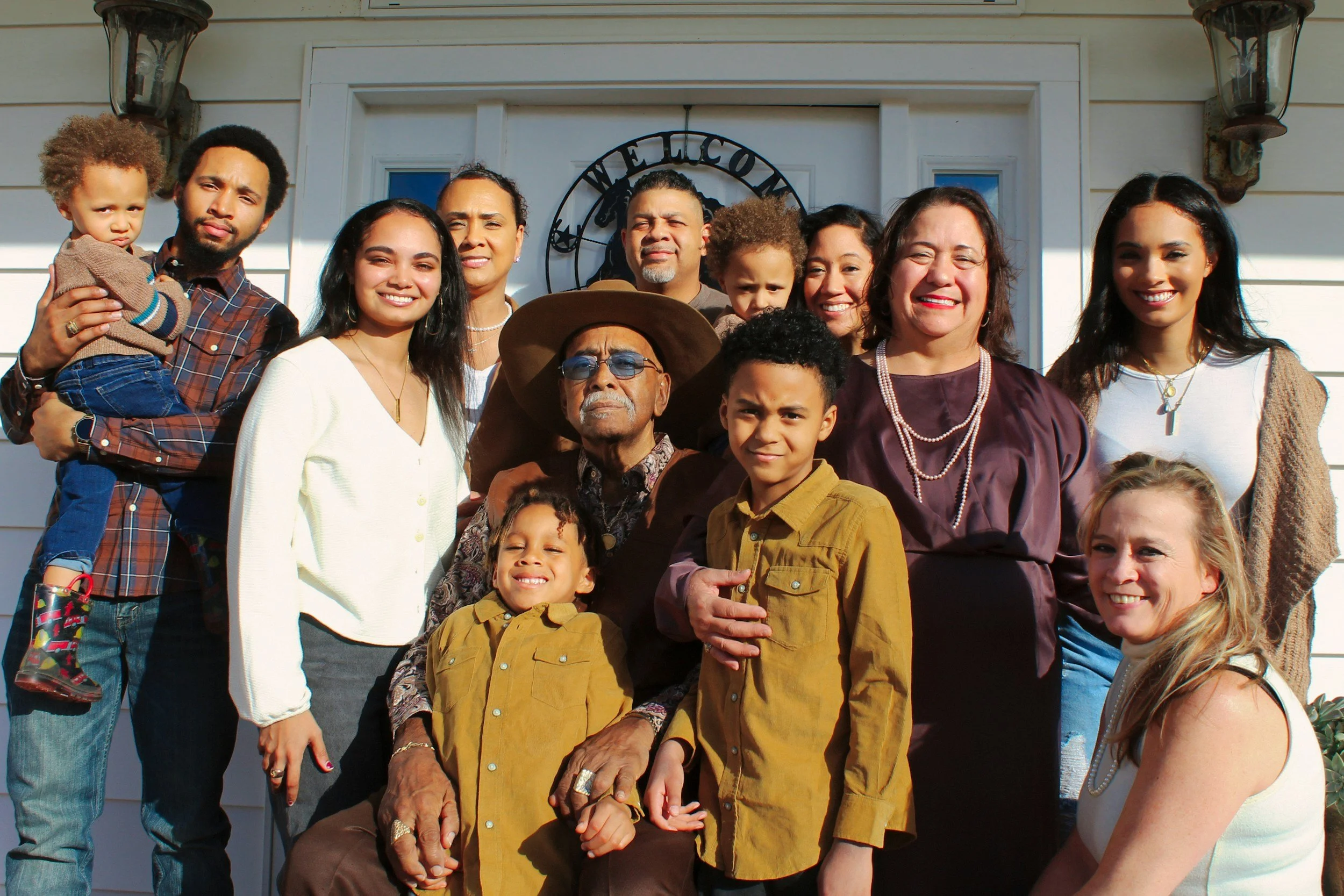
Cultural Responsiveness Within a Behavioural Framework
Effective domestic violence child protection in New Zealand and DFV reform in Australia must recognise:
Colonisation and intergenerational trauma
Structural racism
Te Tiriti o Waitangi obligations
Aboriginal and Torres Strait Islander self-determination
A behavioural framework improves cultural responsiveness by focusing on observable actions, not assumptions about poverty, culture, or family structure.
Poverty is not coercive control. Cultural difference is not abuse. Perpetrator choice remains the organising variable.
Evidence from Australian Implementation
Safe & Together implementation in Australia has been examined through independent research and program evaluation.
The University of Melbourne’s STACY Project
A University of Melbourne follow-up study tracked practitioners 12 months after completing Safe & Together training through the STACY Project. The findings confirmed that real, sustained practice change is achievable—and that the Safe & Together Model is a proven driver of it.
-
Shared language improves case outcomes — The Model’s framework for holding perpetrators accountable and partnering with non-offending parents gave child protection workers a clearer, more consistent approach when working with families and across agencies
Complex cases become more manageable — Practitioners reported greater confidence navigating cases where domestic violence, mental health, and substance misuse intersect—among the most challenging in child protection
Cross-sector collaboration strengthens — Workers built stronger, more sustained relationships with family violence, AOD, and mental health services, leading to more holistic support for children and families
Leadership is the difference-maker — Organisations with informed, supportive management saw the deepest and most sustained practice change, making leader buy-in the single biggest factor in whether training translates to better outcomes for children
DV West Children’s DFV Specialist Program
A 2024 Australian evaluation tracked outcomes across 107 families engaged with DV West’s Children’s Domestic and Family Violence Specialist Program—a service explicitly grounded in the Safe & Together Model. The findings provide compelling real-world evidence that Safe & Together–informed practice delivers measurable improvements in child safety and family outcomes.
-
No children were removed — Of 32 families with open child protection files at intake, not one child was removed into out-of-home care during program engagement, demonstrating that partnering with non-offending parents and holding perpetrators accountable protects children without family separation
Documentation practice changes system responses — When workers consistently named perpetrator patterns of harm and documented survivor strengths, inter-agency responses improved, mother-blaming narratives were countered, and families previously fearful of statutory services engaged more effectively
Survivor protective capacity is buildable — 100% of surveyed mothers reported a better understanding of their own protective strategies and strengths—a direct outcome of the Safe & Together approach to identifying and amplifying what non-offending parents are already doing to keep children safe
Outcomes improve across every domain — 87% of children had improved educational outcomes, 71% of families experienced reduced unsafe contact with the perpetrator, and 100% of families had improved access to housing, legal, health, and parenting support services
What This Means for Asia Pacific Child Protection Leaders
Embedding the Safe & Together Model strengthens your ability to:
Defend decisions under judicial scrutiny
Demonstrate proportionality in removal
Reduce mother-blaming findings in review processes
Increase supervisor confidence in high-risk cases
Support and stabilise workforce decision-making
Domestic and family violence child protection reform succeeds when behaviour becomes the organising principle of safety.

Strengthen Domestic Violence–Informed Practice in Your Organisation
Child protection leaders in Australia, New Zealand, and across the Asia Pacific can:
Implement Safe & Together Core Training to shift assessment from incident-based to behaviour-led practice
Develop supervisor capability to sustain perpetrator pattern mapping in high-risk cases
Embed the Model through structured implementation support
Integrate DFV-informed child protection standards across policy, supervision, and court documentation
Talk with our team about embedding Safe & Together in your organisation.
FAQs
-
Domestic violence–informed child protection practice is a behaviour-led approach that identifies patterns of coercive control, attributes harm to the perpetrator, links that behaviour to child impact, and documents survivor protective efforts. It strengthens decision-making, improves child safety, and supports defensible outcomes in high-risk cases.
-
Child protection systems often struggle because assessments focus on isolated incidents rather than patterns of coercive control. This leads to unclear attribution of harm, difficulty identifying escalation, and inconsistent decision-making across cases and teams.
-
Harm is often misattributed when assessments focus on survivor actions, relationship dynamics, or incident-based narratives instead of the perpetrator’s pattern of behaviour. This can result in increased scrutiny of the non-offending parent and reduced accountability for the perpetrator.
-
The Safe & Together Model improves decision-making by structuring assessments around perpetrator behaviour, linking actions to child impact, and embedding clear documentation practices. This strengthens consistency, supports proportional intervention, and increases the ability to defend decisions under judicial scrutiny.
-
Agencies can implement domestic violence–informed practice by combining core practitioner training, supervisor capability development, and behaviour-based documentation systems. Embedding these elements into supervision, policy, and quality assurance processes ensures sustained system-wide change.