

Our Speakers

David Mandel, MA, LPC
CEO and Founder of Safe & Together Institute
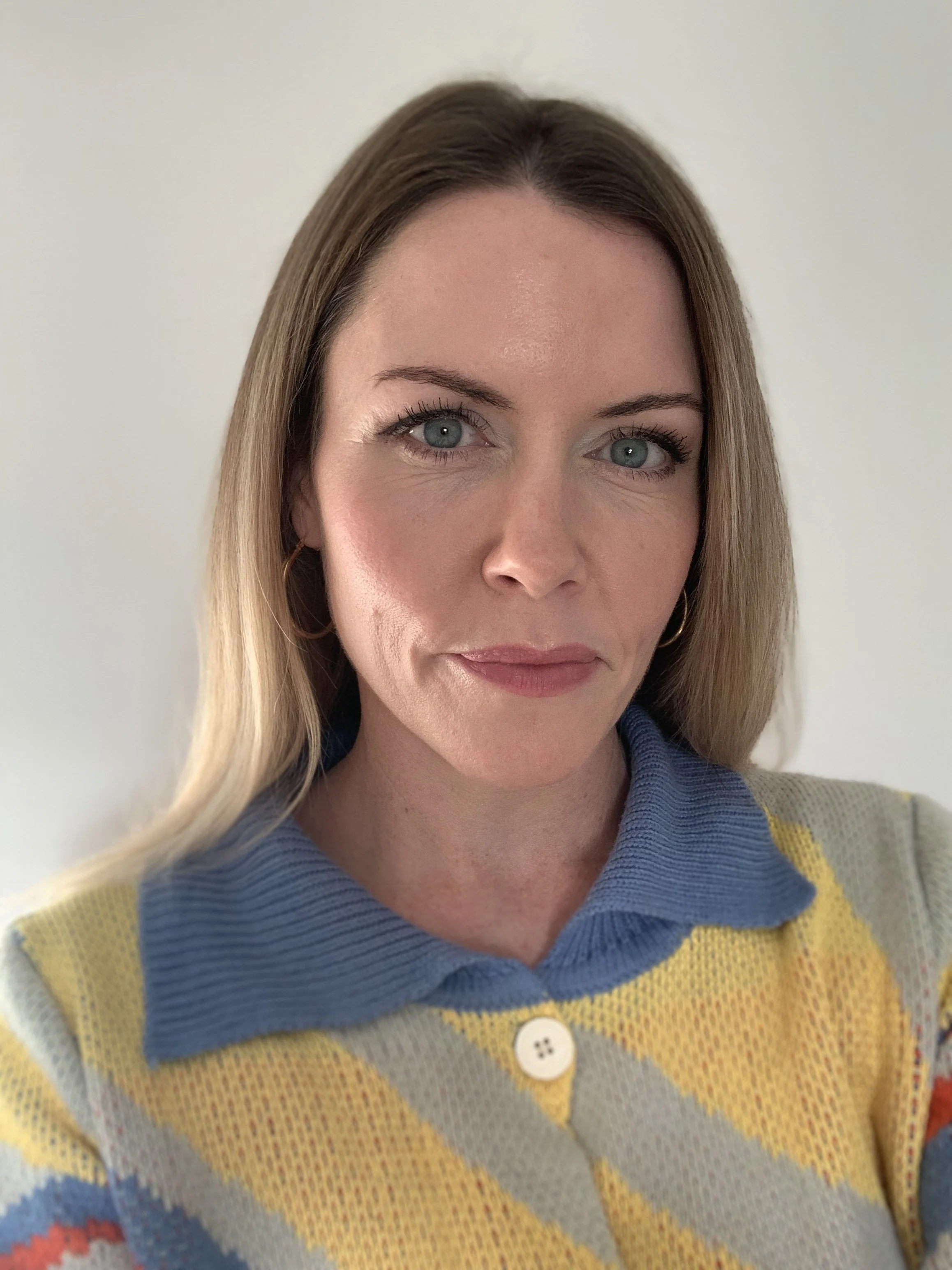
Nic Douglas
European Regional Manager at Safe & Together Institute
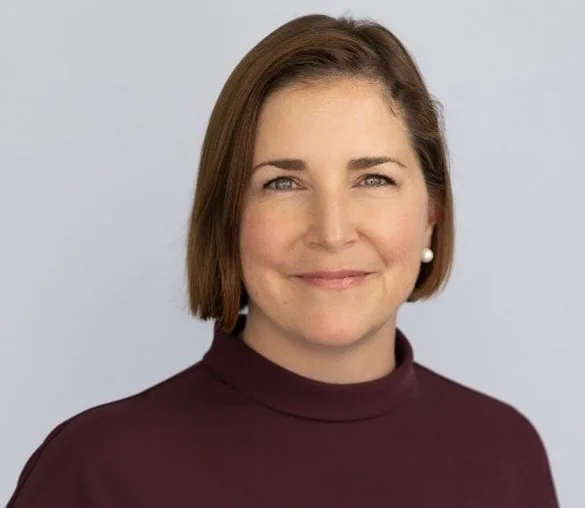
Dame Nicole Jacobs
Domestic Abuse Commissioner for England and Wales
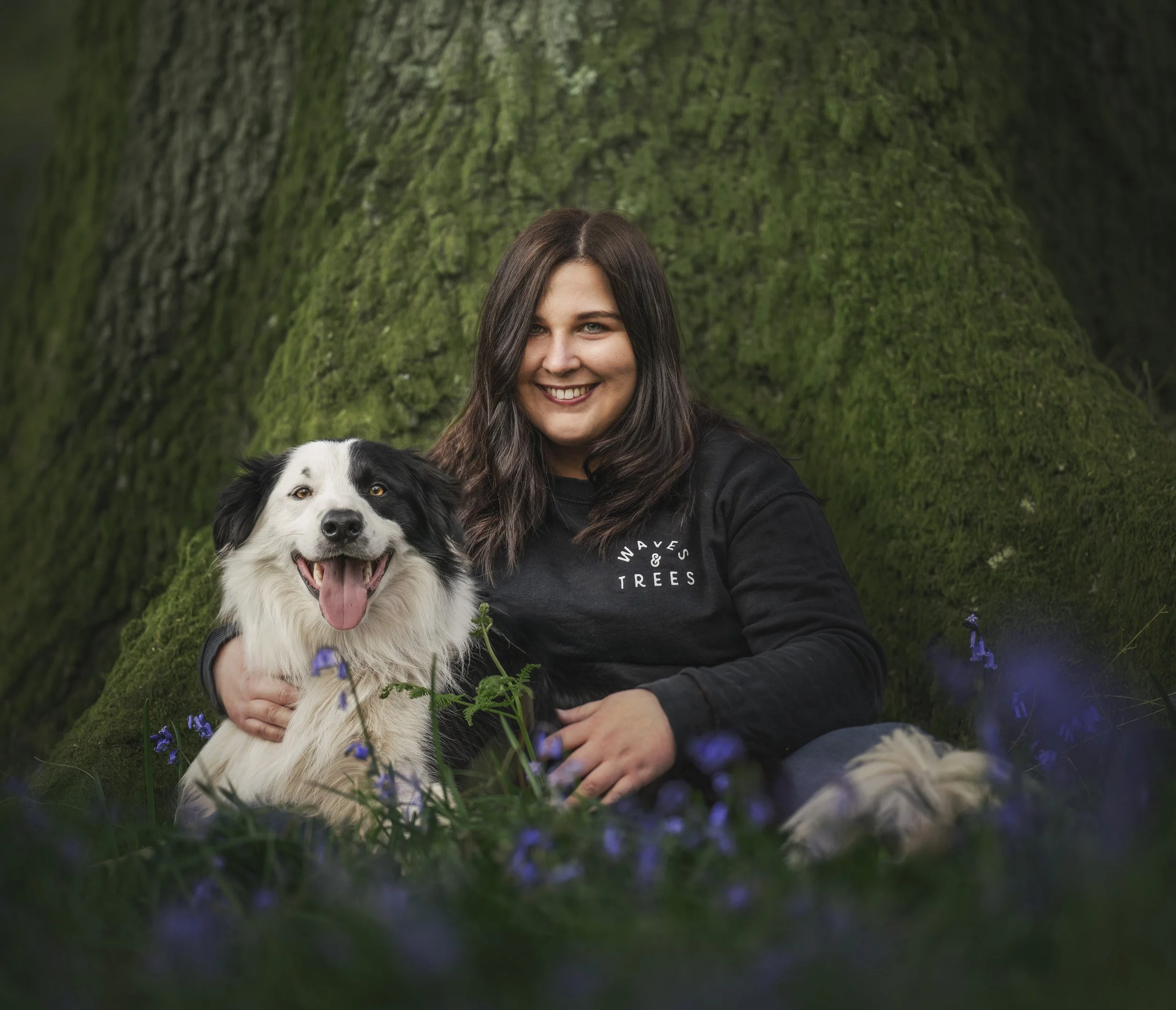
Maya Badham
Founder and CEO of Loop and The Centre for Animal Inclusive Safeguarding
Anna Mitchell
Content Lead at Safe & Together Institute
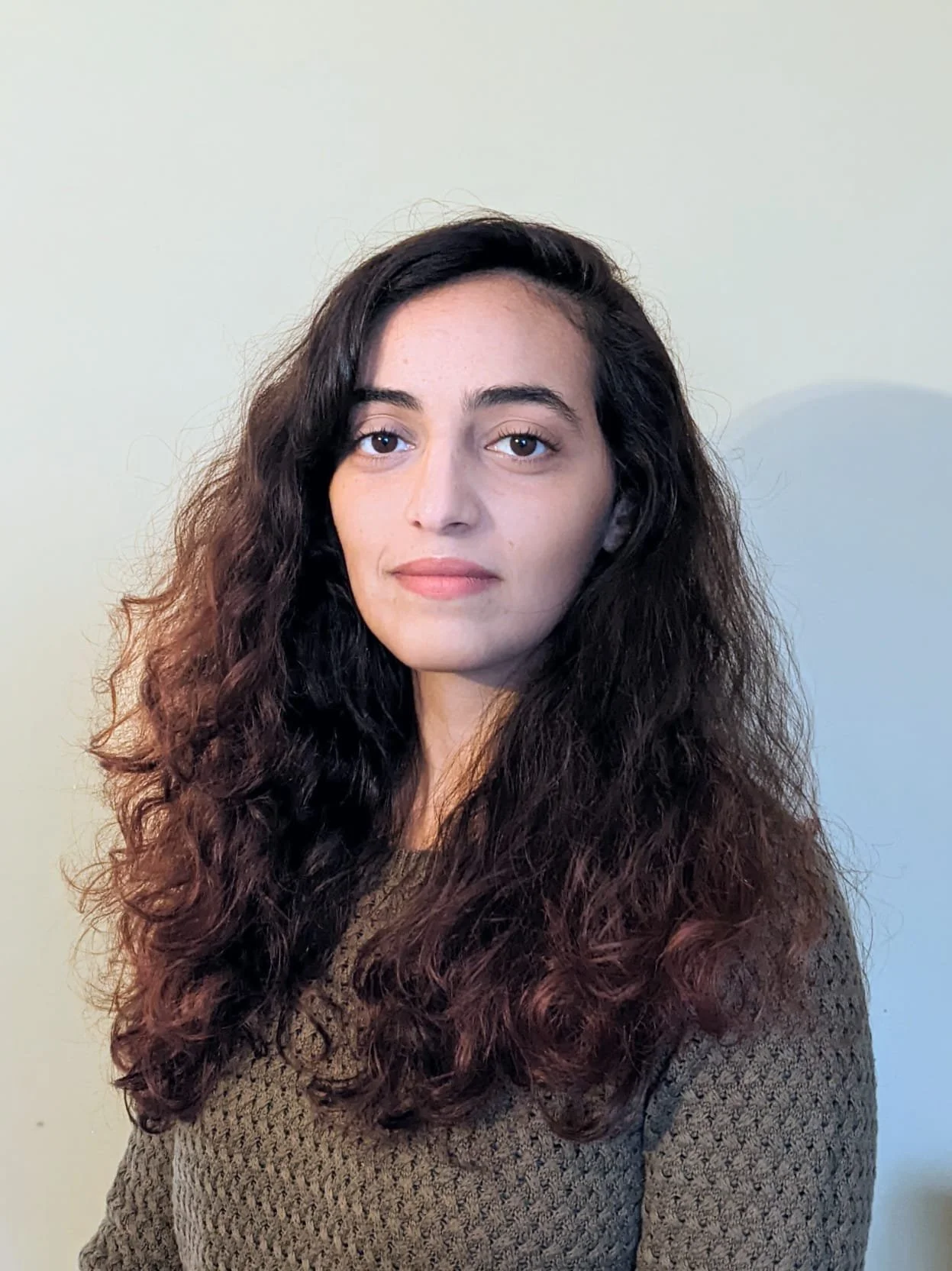
Rasha Hamid
Training Consultant at Safe & Together Institute
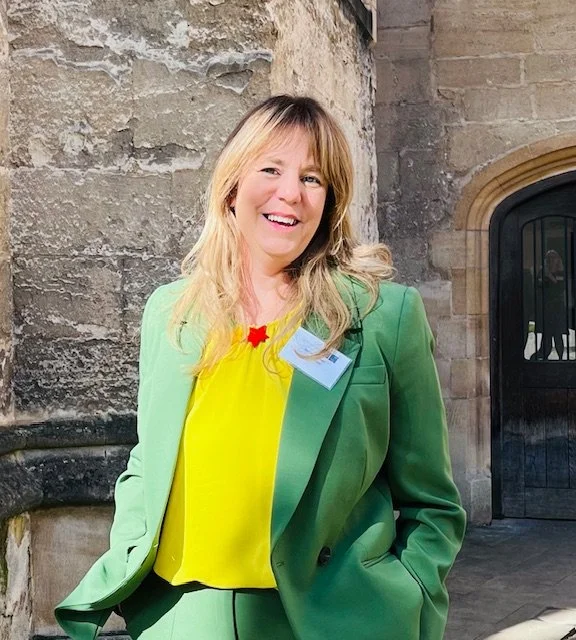
Beth Altman
Head of Operations at Cafcass Cymru

Meena Kumari
Founder and Director of H.O.P.E Training and Consultancy
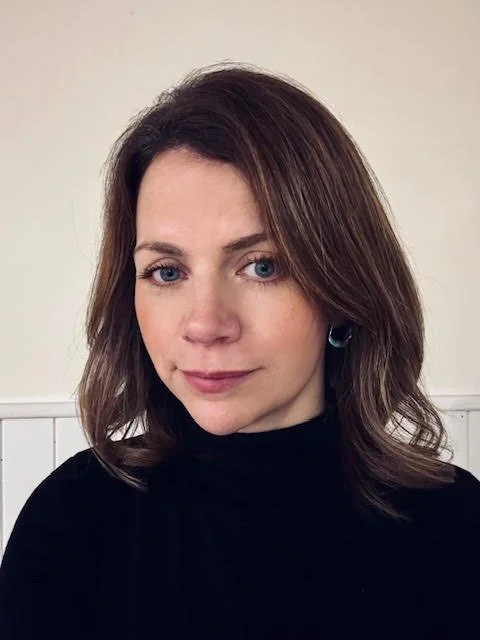
Anna Smith
SafeLives Associate
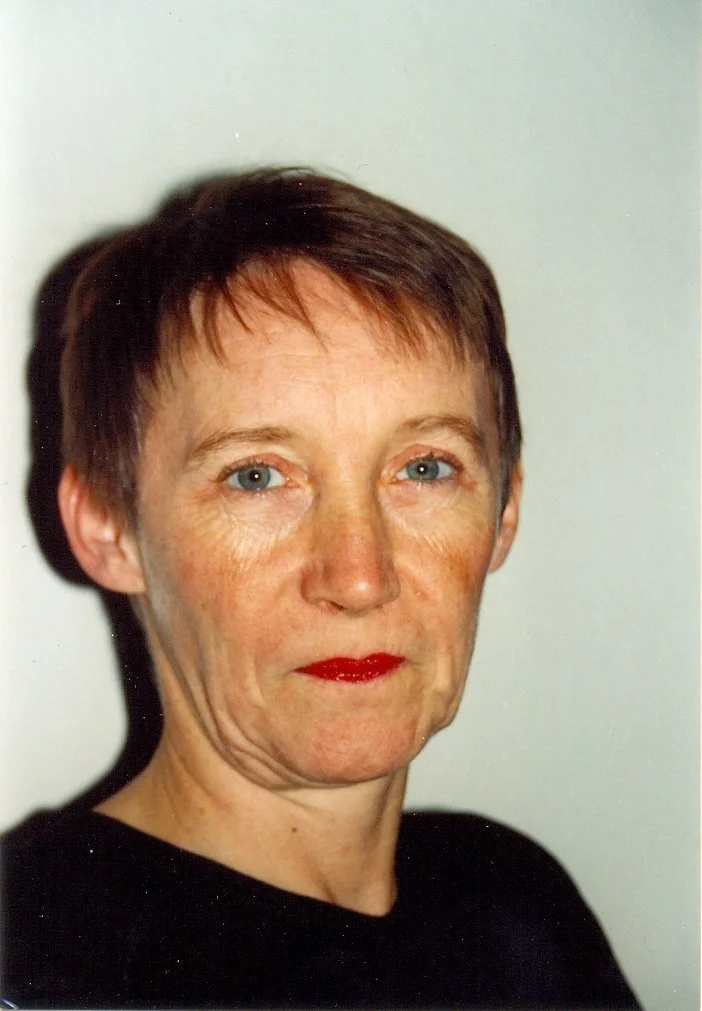
Professor Liz Kelly
Professor of Sexualised Violence and Director of the Child and Woman Abuse Studies Unit at the London Metropolitan University

Dr. Maria Garner
Senior Research Fellow for the Child and Woman Abuse Studies Unit at the London Metropolitan University
David Challen
Domestic Abuse Survivor, Advisor & Campaigner
Lavina Temple
Implementation Lead for Domestic Abuse–Informed Practice at Tusla – Child and Family Agency
Marie MacSweeney
Learning and Development Manager at Tusla – Child and Family Agency
Our Sessions
10 February 2026 – Masterclasses
-
Join Safe & Together founder David Mandel for an in-depth exploration of how men's well-being challenges intersect with domestic abuse perpetration patterns. This advanced masterclass is designed for Safe & Together Model Certified Trainers seeking to deepen their understanding of the complex relationship between perpetrator behavior and various men's well-being issues including mental health conditions, emotional regulation difficulties, substance use, trauma histories, social isolation, and physical health challenges.
Drawing from decades of practice experience and current research, David will examine how traditional approaches to men's well-being in child protection often inadvertently excuse or minimize perpetrator behavior. Participants will explore how to maintain perpetrator accountability while appropriately addressing genuine well-being needs and avoiding both the pathologising of domestic abuse and the dismissal of legitimate mental health and well-being concerns.
Key learning objectives include:
Distinguishing between men's well-being issues as risk factors versus excuses for domestic abuse
Applying perpetrator pattern–based assessment to cases involving mental health, emotional dysregulation, substance use, and other well-being challenges
Developing intervention strategies that address well-being needs while centering survivor safety and perpetrator accountability
Supporting practitioners in maintaining the dual focus of partnering with survivors while appropriately engaging with perpetrators who have well-being challenges
This masterclass will equip trainers with advanced frameworks, case study analysis, and practical tools to support Local Authority teams in navigating these complex intersections within domestic abuse–informed practice.
Suitable for experienced trainers working with Family Help Teams, Multi-Agency Child Protection Teams, and other children's services implementing the Safe & Together Model.
-
Join Nic Douglas, Safe & Together Institute’s European Regional Manager, for an essential introduction to the Safe & Together Model and its transformative impact on multi-agency domestic abuse–informed practice. This foundational masterclass is designed for senior leaders, managers, and practitioners from multi-agency settings seeking to understand how Safe & Together can enhance their collaborative approach to supporting families affected by domestic abuse.
This comprehensive session will provide participants with a clear understanding of the three core components of Safe & Together: keeping children safe and together with the non-abusing parent wherever possible, partnering with domestic abuse survivors as protective resources for their children, and intervening with perpetrators to reduce risk while maintaining accountability for their choices and actions.
Drawing from extensive implementation experience across UK Local Authorities and international settings, Nic will explore how Safe & Together principles translate into effective multi-agency working practices. Participants will discover how the Model's perpetrator pattern–based approach provides a shared language and framework that strengthens collaboration between agencies, improves information sharing, and creates more coordinated responses to domestic abuse cases.
Key learning outcomes include:
Understanding the foundational principles and evidence base of Safe & Together
Recognising how domestic abuse–informed practice enhances existing multi-agency frameworks
Exploring practical applications across different agency contexts and professional roles
Identifying opportunities for integration within current partnership structures and protocols
Understanding the implementation journey and support available for organisations adopting the Model
This masterclass provides the essential foundation for those considering Safe & Together implementation and offers valuable insights for multi-agency partnerships seeking to strengthen their domestic abuse–informed practice.
Suitable for strategic leaders, operational managers, and frontline practitioners across all agencies working with families.
No prerequisites required. This session is designed as an accessible introduction to the Safe & Together Model.
11 February 2026 – Main Conference
-
Join David Mandel, founder and CEO of the Safe & Together Institute, as he delivers a powerful keynote reflecting on two decades of global systems change.
From its start in one small jurisdiction in one country to becoming an internationally recognised movement for improving responses to domestic violence and child safety, the Safe & Together Model has changed the way hundreds of thousands of professionals act, think, and collaborate, impacting millions of children and helping to keep them safe and together with their protective parents.
This session will celebrate the collective achievements of the past 20 years—born from partnerships with practitioners, agencies, advocates, and survivors across more than a dozen countries. From research results to impacts on diverse sectors to a growing network of 500 Certified Trainers, David will share key milestones and results.
This keynote will not just be a retrospective. David will outline the future of the Institute, spotlighting the Institute’s growing commitment to local collaborations, digital transformation, and its continued thought leadership in areas like credible experts, men’s behaviour, trauma, and domestic abuse perpetration. Whether you’ve been with the movement since its inception or are just discovering it, this keynote is a chance to align with a future where children’s safety, survivor partnership, and accountability for perpetrators as parents are not just values but realised changes and the benchmark for global best practice.
-
This workshop will explore how perpetrators of domestic abuse use companion animals as a strategy of coercive control. It will examine how the concept of dual intentionality can be extended to family pets, the impact on children who witness or experience abuse alongside their companion animals, and why an animal-inclusive safeguarding framework is essential to a truly whole family and coordinated community response to effective abuse prevention and intervention.
-
This presentation outlines a proposal for a comprehensive national implementation model for embedding the Safe & Together approach across Scotland. The proposal presents a structured framework for country-wide delivery centred on four key components: a strategic lead, an administrative function, collaborative partnerships, and an enhanced trainer network, all scaffolded by a robust governance and support structure.
Participants will explore how national implementation infrastructure ensures fidelity to the model whilst adapting to local contexts, professional cultures, and existing multi-agency arrangements. The session examines the critical success factors of effective implementation at a variety of scales and invites participants to apply these to their own settings.
Attendees will leave with practical insights into scaling Safe & Together implementation, strengthening domestic abuse–informed practice at various scales, and creating the conditions for lasting system change that improves outcomes for children, supports non-offending parents, and holds perpetrators accountable.
-
This workshop will explore the interconnected goals of perpetrator visibility and accountability—what they mean in the context of domestic abuse practice, how they differ, and how each influences the other. It will examine the challenges practitioners and agencies face in pursuing and achieving them and how perpetrators exploit systemic gaps to maintain their invisibility and evade accountability.
The critical role of perpetrator data will also be highlighted, examining how current gaps in perpetrator data, exacerbated by an overreliance on criminal justice and victim data, undermine efforts to understand and respond to perpetration and impede progress towards greater visibility and accountability.
Finally, the workshop will present recommendations for practice, emphasising the need to strengthen interventions at every level. It will advocate for the introduction and utilisation of local and national perpetrator data to build a stronger evidence base, improve the coordination of responses, and enhance agency accountability across the sector.
-
This workshop will explore Safe & Together’s work in the family court. David Mandel will reflect on Australia's implementation of the Safe & Together Model, examining how Safe & Together principles have influenced family court assessments and outcomes.
Beth Altman, Head of Operations at Cafcass Cymru, will share their experience of applying the Model in Welsh family courts alongside early indicators of success.
The session will create space for discussion about the challenges and opportunities of embedding Safe & Together in family justice systems, with particular attention to how the Model supports more accurate assessments and decision-making.
-
This presentation will help colleagues:
Understand how race and racism intersect with violence against women and girls in the UK context.
Recognise barriers faced by minoritised women accessing VAWG services and justice.
Identify how stereotypes and biases weaponise race to silence survivors and enable perpetrators.
Explore practical strategies for anti-racist, intersectional responses to VAWG.
-
This workshop will explore the Safe & Together London Partnership's unique model of Implementation to effect systems change. It will focus on and share reflections from thematic action learning sets across a number of sites of tension and opportunity, including how to embed S&T in shifting contexts such as social care reforms.
Recent work on S&T and Family Group Decision-Making will be explored, alongside other outputs from action learning sets designed to work through blockages to implementation.
-
This workshop demonstrates how the Safe & Together Model enhances multi-agency practice across complex domestic abuse cases. The MARAC and Safe & Together Integration Project (M-STIP) is currently being piloted in two Scottish local authorities. The project aims to support areas in effectively utilising both the MARAC and Safe & Together models. This presentation draws on learning from M-STIP to demonstrate how these principles apply to any multi-agency meeting, team, or process, which brings professionals together to create better outcomes for families affected by domestic abuse perpetrators.
Using insights from the pilot, participants will examine how a perpetrator pattern–based lens strengthens risk assessment, decision-making, and information-sharing across professional boundaries. We will address common multi-agency challenges—including differing thresholds, professional cultures, and competing priorities—demonstrating how Safe & Together principles create greater alignment around child safety, perpetrator accountability, and non-offending parent support. Attendees will leave with transferable approaches to strengthen partnership working across their own multi-agency settings.
-
In this workshop, two papers will be presented. The first will focus on the development a Domestic Violence–Informed Practice Guidance for Tusla practitioners, incorporating the national approach to practice in the agency, Signs of Safety, and the evidence-base for working in a domestic violence–informed way. Paper one will detail the why this approach was taken, what we did, and the practice changes that are required to work in this way.
Paper two will focus on implementation—what we did and are still doing to support practitioners to work in this way. It will also detail the practice change we have seen and examples of this work.
-
Drawing on his lived experience as a child survivor and campaigner, David Challen explores the lasting impact of coercive control on families and the children left behind.
Reflecting on his mother Sally Challen’s landmark 2019 appeal, he examines what has changed since and invites professionals to consider a deeper understanding of coercive control’s impact on the whole family.